
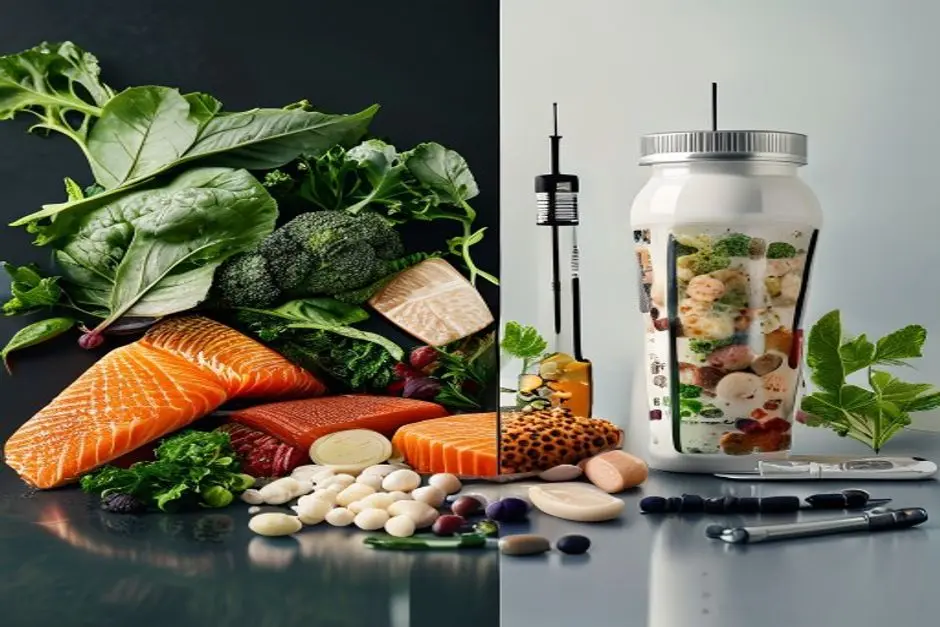
The hidden nutritional costs of GLP-1 convenience
The rapid rise of GLP-1 medications has transformed the treatment of obesity and type 2 diabetes, yet a new challenge is emerging in the daily habits of those taking these drugs. According to a report published by Medscape, many patients are turning to meal replacement bars and shakes as convenient alternatives to traditional meals. While these products offer a quick way to consume calories when appetite is low, health experts warn that over-reliance on ultraprocessed “shortcuts” may lead to significant nutritional gaps, chronic digestive issues, and a dampened metabolic rate.
Key takeaways from the July 2026 report
- GLP-1 drugs significantly reduce appetite, making it difficult for some patients to consume enough whole-food nutrients.
- Substituting whole meals with processed shakes or bars can lead to malnutrition, even if caloric targets are met.
- Whole foods provide a higher thermic effect of food (TEF), meaning the body burns more energy digesting them compared to liquid replacements.
- Clinical experts emphasize the need for “situational guidance” rather than a total reliance on convenience foods.
Understanding the GLP-1 mechanism and appetite suppression
To understand why meal replacements have become a tempting option, it is necessary to look at how these medications function in the body. GLP-1 (glucagon-like peptide-1) is an incretin mimetic, a type of drug that mimics a hormone naturally produced in the gut. When a person eats, this hormone signals the brain to feel full and tells the stomach to slow down its emptying process.
By enhancing these signals, GLP-1 medications effectively blunt the sensation of hunger. For many, this results in a dramatic decrease in the volume of food they can comfortably consume. While this helps with weight loss, it also creates a logistical hurdle. If a patient only feels like eating a small amount, they may reach for a high-protein bar or a pre-mixed shake simply because it feels manageable. However, experts like Romeena Lee from the University of Florida and Elisabetta Politi from Duke Health note that these choices often lack the complex nutritional profile found in a whole-food diet.
Comparing whole foods and processed replacements
The research highlights a stark contrast between the biological impact of minimally processed foods and commercial replacements. When the body processes whole grains, lean proteins, and fibrous vegetables, it engages in a complex metabolic dance. Processed shakes, by design, are broken down much faster, which changes how the body utilizes that energy.
| Feature | Whole-Food Diet | Meal Replacement Shakes/Bars |
|---|---|---|
| Nutrient Density | High (vitamins, minerals, phytonutrients) | Variable (often fortified with synthetics) |
| Fiber Content | High (crucial for gut motility) | Often low or missing |
| Thermic Effect (TEF) | Higher energy expenditure for digestion | Lower energy expenditure |
| Additives | Minimal to none | High (emulsifiers, thickeners, sweeteners) |
| Satiety Duration | Longer due to slow digestion | Shorter (liquid calories pass quickly) |
The “thermic effect” and the metabolism trap
One of the more subtle risks of substituting whole meals with shakes is the loss of the thermic effect of food (TEF). This term refers to the energy the body must expend to digest, absorb, and metabolize nutrients. Think of the metabolism as a furnace: whole foods, such as a piece of steak or a bowl of lentils, are like heavy logs that take a long time to burn and keep the fire hot. In contrast, a liquid meal replacement is more like kindling. It burns off quickly and requires very little energy from the body to process.
The Medscape report suggests that by relying on liquid or highly processed “predigested” nutrients, users may unintentionally lower their total daily energy expenditure. Over time, this could potentially slow weight loss progress or make weight maintenance more difficult once the medication is adjusted.
Why the choice of food matters for GLP-1 users
The stakes are particularly high for this patient population because GLP-1 therapy already places stress on the digestive system. Because the medication slows gastric emptying (the speed at which food leaves the stomach), the digestive tract needs adequate fiber and hydration to keep moving.
Many meal replacement products are notoriously low in fiber. Furthermore, they often contain ultraprocessed additives such as xanthan gum, carrageenan, and various emulsifiers used to improve texture. For a patient whose gut motility is already slowed by medication, these additives may disrupt the microbiome or exacerbate bloating and discomfort.
The report also touches on the social determinants of health (SDOH). For some patients, the choice of a meal replacement isn’t about preference but about access. Those with limited time, transportation, or financial resources may find it easier to stock up on shelf-stable bars than to source and prepare fresh, nutrient-dense foods.
Evaluating the role of convenience in therapy
How much should patients and clinicians worry about these shortcuts? The evidence suggests that while meal replacements are not inherently “toxic,” they are best used as a temporary bridge rather than a permanent foundation. The authors of the report do not suggest that these products should never be used. Instead, they highlight the importance of “situational nutritional guidance.”
For example, if a patient is traveling or facing an exceptionally busy day where the alternative is skipping a meal entirely, a protein shake might be an appropriate choice to prevent muscle loss. However, the report cautions that using these as a daily “easy button” can lead to malnutrition. This is a state where the body receives enough calories but lacks the essential vitamins, minerals, and phytonutrients required for long-term health.
The path forward for nutritional monitoring
As more people begin GLP-1 therapy, the role of the primary care provider in monitoring nutrition becomes paramount. The report indicates that the focus is shifting from simply “losing weight” to “losing weight healthily.”
What happens next will likely involve more integrated care models where nutritional education is a standard part of the prescription process. Researchers and clinicians are looking at how to better support patients in choosing foods that support gut health and maintain metabolic efficiency. The milestone to watch will be the development of more specific dietary protocols tailored to different stages of GLP-1 use, ensuring that the convenience of modern medicine does not come at the cost of fundamental nutrition.
Related Coverage
Sources:
- Medscape, “When GLP-1 Users Need Meal Replacements, Shortcuts Are Easy but Dangerous” (https://www.medscape.com/viewarticle/when-glp-1-users-need-meal-replacements-shortcuts-are-easy-2026a1000org)
Disclaimer: This article is for general information only and does not constitute medical advice, diagnosis, or treatment. Always consult a qualified healthcare provider about any medical condition or before making health decisions.