
The headline findings
- Every white blood cell type went up: One 30-minute sauna session raised all the immune cell types the researchers counted, including the frontline infection fighters, neutrophils and lymphocytes.
- The effect was brief: Neutrophil and lymphocyte levels dropped back to their usual range within about 30 minutes of leaving the sauna.
- Cells moved, they were not made: The team describes this as mobilization. Existing immune cells shifted out of tissue and into the blood, then settled back. The body did not manufacture new ones.
- Not proof of fewer infections: This measured the immediate response to a single session. It says nothing about whether regular sauna use actually lowers how often people get sick.
The study at a glance
| Parameter | Detail |
|---|---|
| Publication | Journal Temperature (Taylor & Francis), 2026 |
| Lead researcher | Jari Laukkanen, University of Eastern Finland |
| Design | Controlled acute heat-exposure study |
| Participants | 51 adults |
| Exposure | 30-minute Finnish sauna at 73 degrees Celsius, with a short cold shower midway |
| Main measure | White blood cell counts and cytokine levels before, during, and after |
| Key result | All white blood cell types rose; neutrophils and lymphocytes normalised within about 30 minutes |
| Sex difference | Total white blood cell count stayed elevated 30 minutes post-sauna in women |
What the researchers actually did
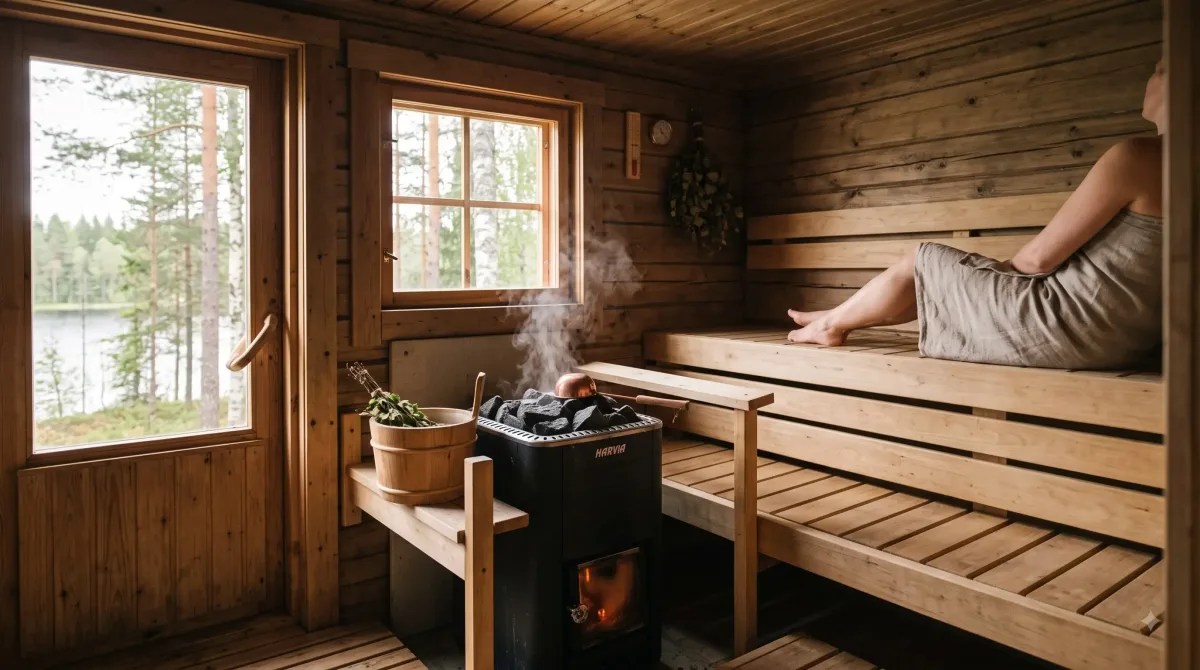
The team, led by Jari Laukkanen at the University of Eastern Finland, put 51 adults through a single Finnish sauna session. The setup was ordinary by Finnish standards: 73 degrees Celsius, 30 minutes, and a quick cold shower about halfway through to mimic how people actually use a sauna.
They drew blood before, during, and after, and tracked two things. One was the count of circulating white blood cells, the cells that patrol for infection. The other was cytokines, the signalling molecules that immune cells use to coordinate a response. The paper’s own title makes the split clear: the heat triggered a stronger immune cell response than a cytokine one.
Every category of white blood cell they measured climbed during the session. Neutrophils and lymphocytes, two of the workhorses, rose and then came back down to baseline within roughly half an hour of the session ending.
Why the body reacts this way
Heat is a stressor, and the circulatory system responds to it fast. As core temperature climbs and the heart works harder to move blood to the skin for cooling, the shear of faster blood flow can flush immune cells that were sitting along vessel walls and in tissue reservoirs out into open circulation. That is the likely mechanism here, and it fits the word the researchers chose: mobilization.
This matters for how you read the result. A higher white blood cell count in a blood draw can look like the immune system revving up. But cells moving from one compartment to another is not the same as the body producing more defenders or fighting off a specific threat. It is a redistribution, and in this study it reversed within about 30 minutes.
The sex difference is the part worth flagging. In women, total white blood cell count was still significantly above baseline half an hour after the sauna, while in men it had already settled. The study reports the pattern but does not pin down why.
The limits, stated plainly
This is a single acute session in 51 people, and the design only speaks to what happens in the minutes and hour around one sauna. It does not follow anyone over weeks or months, so it cannot say whether regular sauna use trains the immune system or lowers infection rates. That question is wide open.
The reversal is the honest headline. Because neutrophils and lymphocytes were back to normal within about 30 minutes, the direct immune effect of one session is transient by the study’s own measure. A short-lived bump in a blood count is a long way from a clinical benefit.
And mobilization is not activation. The data show cells changing location, not evidence that they killed more pathogens or that the person was better protected. Reading a temporary count increase as an immune boost overstates what was found.
What to watch next
The useful follow-up is a study that tracks repeated sauna use over time and measures real outcomes, how often people get respiratory infections, for instance, rather than a one-off blood count. Untangling why women held the elevated count longer would also be worth the effort.
For now, the practical read is modest. Sauna bathing has a reasonable track record for cardiovascular and relaxation benefits, and this adds an interesting detail about how the body handles heat. It is not a reason to treat a sauna as an infection shield. If you have heart or blood pressure conditions, or you are pregnant, check with your clinician before regular heat exposure, and keep sessions sensible on time and temperature.
Related Coverage
- Creatine May Boost Immune Cells and Slow Tumor Growth
- Study Uncovers an Autoantibody Immune Defect Behind Severe COVID-19
Sources:
- ScienceDaily, “A single sauna session sends immune cells surging” (https://www.sciencedaily.com/releases/2026/07/260727012141.htm)
- Temperature (Taylor & Francis), “Acute Finnish sauna heat exposure induces stronger immune cell than cytokine responses” (https://www.tandfonline.com/doi/full/10.1080/23328940.2026.2645467)
- Medical Daily, “A 30-minute sauna moved immune cells into the bloodstream for about half an hour” (https://www.medicaldaily.com/sauna-immune-cells-white-blood-cell-study-finland-temperature-476562)
Disclaimer: This article is for general information only and does not constitute medical advice, diagnosis, or treatment. Always consult a qualified healthcare provider about any medical condition or before making health decisions.